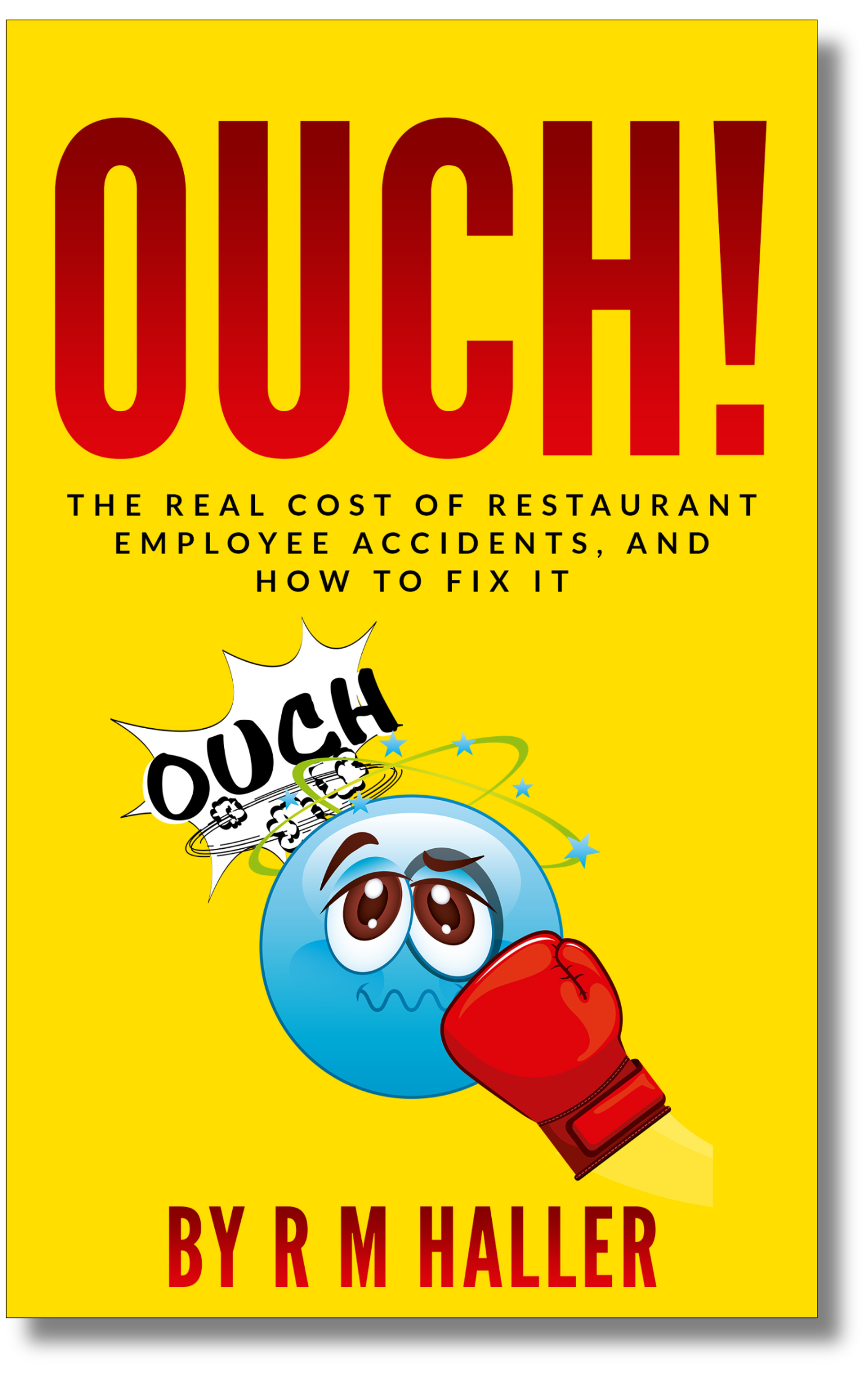
Why Your Workers’ Comp Costs May Be Quietly Exploding — And How to Fix It

Most restaurant owners watch their food costs closely. They monitor labor. They track waste. They negotiate supplier pricing.
But there’s one cost quietly rising in the background that many owners don’t fully understand — and it can cost thousands, even tens of thousands of dollars per year.
Workers’ compensation insurance.
And the most dangerous part?
You may not even realize how much extra you’re paying.
The Hidden Multiplier That Controls Your Costs
Every restaurant has what’s called an Experience Modification Rate, often referred to as your Experience Mod or X-Mod.
This number is a multiplier applied directly to your workers’ compensation premiums.
• An X-Mod of 1.00 is average
• Below 1.00 means you pay less
• Above 1.00 means you pay more
But here’s the part most owners don’t realize:
Even a small increase can dramatically raise your costs.
For example:
• X-Mod of 0.80 → You pay 20% less
• X-Mod of 1.20 → You pay 20% more
• X-Mod of 1.50 → You pay 50% more
That difference can mean thousands of dollars lost every year — money that goes straight out of your bottom line.
What This Looks Like in Real Dollars
Let’s make this real.
Imagine a restaurant with 40 employees.
A typical restaurant might pay approximately $1,200 to $2,000 per employee per year in workers’ compensation premiums, depending on role and state.
That means your total annual workers’ comp premium might be roughly:
• $48,000 per year on the low end
• $80,000 per year on the higher end
Now apply your Experience Mod:
If your X-Mod is 0.80
You could pay:
• $38,400 instead of $48,000
• Savings of $9,600 per year
If your X-Mod is 1.20
You could pay:
• $57,600 instead of $48,000
• Extra cost of $9,600 per year
If your X-Mod rises to 1.50
You could pay:
• $72,000 instead of $48,000
• Extra cost of $24,000 per year
And that’s just one location.
For a 5-unit restaurant group, that could mean over $120,000 in unnecessary costs over a few years.
For a 13-unit franchise, the financial impact can reach hundreds of thousands of dollars.
This is why safety isn’t just operational.
It’s financial.
The Hidden Reality: One Injury Can Affect Your Costs for Years
Here’s something many restaurant owners don’t realize.
Workers’ compensation claims don’t disappear quickly.
In Washington State, claims typically affect your Experience Mod for five years.
That means a single preventable injury today can increase your insurance costs for the next five years.
It’s the expense that keeps renewing itself — year after year.
And this is not unique to Washington.
Most states calculate Experience Mods using three years of claims history, and many insurers and state systems factor in claim impacts for up to five years before they fully fall off.
This means today’s safety decisions directly affect your financial future for years to come.
Preventing even one serious injury can save tens of thousands of dollars over time.
How Restaurants Quietly Drift Into Higher Premiums
Your X-Mod rises when insurance companies see risk.
And what signals risk?
Workplace injuries.
Burns. Slips. Cuts. Falls. Lifting injuries. Preventable accidents.
Each incident increases your claims history. And each claim pushes your multiplier higher.
The insurance company isn’t trying to punish you. They’re adjusting your rate based on the likelihood of future claims.
And without strong safety systems in place, the likelihood stays high.
The Real Story Most Insurance Companies Won’t Tell You
Many restaurant owners assume workers’ comp costs are fixed — something they have no control over.
But that’s not true.
Your safety systems, training consistency, and documentation directly influence your claims history.
Fewer injuries → fewer claims → lower X-Mod → lower premiums.
More injuries → more claims → higher X-Mod → higher premiums.
This is why safety training isn’t just about compliance.
It’s about financial protection.
Why One-Time Training Isn’t Enough to Control Your X-Mod
Handing someone a handbook on their first day doesn’t prevent accidents six months later.
People forget.
Habits slip.
New employees arrive.
Without ongoing reinforcement, risk slowly increases again.
And the insurance system reflects that increased risk in your multiplier.
How the REST Compliance Protection System™ Helps Protect Your Bottom Line
The REST Compliance Protection System™ helps reduce risk by creating consistent, ongoing safety awareness.
Employees complete short, focused training modules designed to reinforce safe habits regularly — not just once.
They must pass quizzes at 100% to demonstrate understanding.
Certificates document completion.
Managers can instantly see:
• Who has completed training
• Who needs training
• What is expiring
• What is missing
This creates a continuous cycle of awareness and accountability.
And over time, safer teams mean fewer claims.
Fewer claims mean lower workers’ compensation costs.
This Isn’t Just About Safety — It’s About Financial Survival
Restaurant margins are tight.
Every unnecessary expense hurts.
When your X-Mod rises, you may be paying thousands more each year without realizing why.
But when your team works safely, and that safety is documented, you protect both your people and your business.
Protect your team. Protect your restaurant. Protect your future.
Visit RestaurantEmployeeSafety.com to learn how the REST Compliance Protection System™ helps reduce risk and protect your business.
Get instant access to the REST Compliance Protection System™
Trusted by restaurant owners and franchise operators to document safety training and reduce compliance risk.
No contracts • Cancel anytime • Setup in minutes • No IT required.
Have Questions About REST? Let’s Talk Safety.
Whether you’re training 5 employees or 500, we’re here to help you protect your team, document compliance, and save on long-term costs. Fill out the form and we’ll be in touch ASAP.
By submitting this form, you agree to receive safety-related emails from Restaurant Employee Safety Training.
We respect your time and will only contact you with helpful information—no spam, ever.