Youth Safety and the “One More Thing” Problem

Restaurant managers don't usually wake up in the morning and decide that employee safety isn't important.
They wake up knowing somebody called out.
The truck is late. The walk-in temperature needs to be checked. Someone needs change for the register. There's a customer complaint at table 14. The dishwasher isn't keeping up. You're short a prep cook. Somebody needs to approve a void. Payroll has a question. The new employee is waiting for somebody to show them what to do.
And there is always one more thing.
One more thing that needs to happen first.
One more problem that feels more urgent.
One more reason that the safety conversation can wait until tomorrow.
That's exactly what Restaurant Safety Killer™ #4—TMT™ (Too Much Time)—is counting on.
Because TMT™ doesn't have to convince you that safety doesn't matter.
He only has to convince you that something else matters more right now.
TMT™ May Be the Most Dangerous Restaurant Safety Killer™ of All
LOT™, NOT™, and NOD™each create their own restaurant safety problems.
LOT™—Lack of Training wins when employees aren't properly taught how to perform their jobs safely.
NOT™—No Ongoing Training takes over when training happens once during orientation, in a handbook, through a video, or beside another employee—and then never happens again.
NOD™—No Ongoing Documentation creates uncertainty when restaurants can't show what training was provided, when it occurred, or who completed it.
But there is another Restaurant Safety Killer™ quietly helping all three of them.
TMT™
Because why didn't that new employee receive the safety training?
We didn't have time.
Why hasn't that safety topic been reinforced since orientation?
We've been slammed.
Why wasn't the training documented?
There was too much going on.
TMT™ doesn't necessarily create the hazard himself.
He creates the conditions that allow the other Restaurant Safety Killers™ to thrive.
Young Employees Don't Have Years of Experience to Fill the Gaps
For many teenagers, their restaurant job may be their very first job.
They haven't spent ten years walking through commercial kitchens. They haven't handled hundreds of knives, worked beside fryers, carried heavy boxes through crowded storage rooms, cleaned equipment, used commercial chemicals, or learned how quickly a wet restaurant floor can become dangerous.
They're learning all of that while they're also learning how to clock in, where everything is kept, who their managers are, how to work with customers, what their station responsibilities are, and what they're supposed to do when the restaurant suddenly gets busy.
An experienced restaurant employee may recognize a hazard almost automatically.
A sixteen- or seventeen-year-old may not.
That's why youth safety training isn't something that should continually fall to the bottom of the manager's list.
But TMT™ is very good at putting it there.
“I'll Show Them Later” Can Become “Nobody Ever Showed Them-Ever”
It starts innocently enough.
The restaurant is busy, so the new employee gets the quick version.
“Follow Sarah tonight. She'll show you what to do.”
Maybe Sarah does a wonderful job.
Maybe she explains everything.
Or maybe Sarah is trying to take care of six tables, refill drinks, run food, find ranch dressing, split a check, and figure out why table 22 still hasn't received its appetizer.
So perhaps the employee learns how to perform the job without ever really learning how to perform it safely.
Then tomorrow comes.
And tomorrow has its own emergencies.
Before long, the employee has been there for three weeks, everybody assumes somebody else covered the safety information, and TMT™ has quietly handed another victory to LOT™.
Even When Training Happens Once, TMT™ Isn't Finished
Maybe your restaurant does a great job with orientation.
Maybe new employees receive a handbook. Maybe somebody walks them through important procedures. Maybe they watch training videos. Maybe a manager spends time teaching them how to perform their job safely.
Excellent.
LOT™ just lost.
But TMT™ isn't particularly worried.
He'll wait.
Because three months from now, that young employee may not remember everything they learned during their first few days on the job.
Six months from now, they've become comfortable.
Nine months from now, the equipment that once made them cautious has become completely familiar.
That's when shortcuts, habits, and complacency can creep in.
And that's when NOT™—No Ongoing Training—is happiest.
TMT™ helped make that possible too.
There was always another schedule to write, another inventory to finish, another employee to cover, another customer problem to solve.
So the refresher training kept getting pushed to next week.
And next week never came.
Then NOD™ Gets His Turn
Even when managers manage to squeeze training into an already packed restaurant day, there's another step that is incredibly easy to postpone.
Documenting it.
“We'll enter it later.”
“I've got the certificates on my desk.”
“I know everybody did it.”
“I'll update the tracker when things slow down.”
Restaurant managers everywhere know how this story ends.
Things don't slow down.
Now TMT™ has helped NOD™ too.
The training may have happened. The employee may have understood it perfectly. The manager may have done exactly what they were supposed to do.
But months later, when someone asks for the record because an accident happened, everybody is trying to reconstruct what happened from memory.
That's why a safety system has to fit into restaurant operations while the training is happening, rather than creating another giant administrative project for managers to finish someday.
Five Minutes Now Can Save Hours Later
Here's the part of TMT™'s argument that doesn't hold up very well once you examine it.
You don't have time for safety training today.
Okay.
But how much time do you have for an employee accident tomorrow?
Because an accident doesn't politely take five minutes out of your schedule.
Someone has to take care of the injured employee. The area may need to be secured. A manager needs to figure out what happened. Witnesses may need to be interviewed. An incident report needs to be completed. Someone may need to contact a parent if the employee is a minor. Insurance information may be needed. Schedules may need to be changed because the employee can't work.
Then there can be follow-up calls.
Questions.
Paperwork.
Insurance.
Medical information.
Corporate reporting.
Possibly OSHA reporting requirements depending on the circumstances.
Maybe an investigation.
And meanwhile, the restaurant is still open.
The schedule still has to be written. The food still has to be ordered. Customers still have to be served. Employees still have to be managed.
The things TMT™ told you were too important to interrupt for a few minutes of prevention didn't disappear because somebody got hurt.
Now you have all of those things plus an accident.
Prevention Takes Time—But Accidents Take More
This is the strange math of restaurant safety.
Managers often feel as though they don't have five, ten, or fifteen minutes available for prevention because the restaurant is so busy.
But after an accident, somehow two, three, or four hours can disappear dealing with everything that follows.
And those hours aren't optional anymore.
That's the difference.
Before the accident, safety training feels like something you can postpone.
After the accident, responding to what happened becomes something you have to do.
TMT™ wants managers to not focus only on the few minutes safety requires today.
A good safety system helps managers avoid the hours an accident may require tomorrow.
Youth Safety Is Cycle #9 for a Reason
Youth Safety is Cycle #9 in the Restaurant Safety Calendar™, giving managers a specific opportunity to bring young-worker safety back into the conversation instead of assuming it was covered sometime during orientation.
That's important because your young employees aren't the same employees they were on their first day.
They may have learned new stations.
They may be using different equipment.
They may have taken on additional responsibilities.
And because they've become more comfortable in the restaurant, they may actually feel less cautious around hazards that once had their full attention.
Ongoing safety training gives managers an opportunity to bring that awareness back.
Not through another enormous safety meeting.
Not by shutting down the restaurant for an afternoon.
Just by making safety something that continues to happen.
Restaurants Never Slow Down—So Safety Can't Wait Until They Do
That's the fundamental problem with TMT™.
If your restaurant safety system depends on finding a quiet week, eventually having extra time, or waiting until everything else is caught up, safety may never happen.
Because restaurants never slow down.
There will always be another delivery.
Another schedule.
Another customer.
Another call-out.
Another inventory.
Another new employee.
Another emergency.
Another “one more thing.”
That's why safety has to fit the way restaurants actually operate.
A few minutes.
One topic.
One quiz.
One certificate.
One documented training record.
Then everybody gets back to running the restaurant.
The REST Compliance Protection System™ Takes Away TMT™'s Favorite Excuse
The REST Compliance Protection System™ was built around the reality that restaurant managers already have too much to do.
The Restaurant Safety Calendar™ keeps training organized throughout the year so managers don't have to continually decide what safety topic they should cover next.
Employees complete short training, take a 10-question quiz to reinforce what they learned, and receive a personalized certificate after successful completion.
Managers have the Safety Training Tracker™ and Certificate Tracker™ to help keep the records organized.
Training happens.
Understanding is reinforced.
Completion is documented.
And safety doesn't depend on someone eventually finding the time to create a system.
The system is already there.
Don't Give TMT™ the Power He Needs to Create the Next Accident
TMT™ will always have a convincing argument.
Not today.
We're short staffed.
We're too busy.
We'll do it next week.
They probably learned it during orientation.
We've got more important things to handle right now.
But when the employee standing in front of you is sixteen, seventeen, or eighteen years old and may be encountering restaurant hazards for the first time, “later” isn't much of a safety strategy.
Especially when later can turn into an accident that consumes far more time than prevention ever would have.
TMT™ wants you to believe you don't have time for restaurant safety.
The truth is much simpler.
You don't have time for what happens when safety gets pushed aside.
Get instant access to the REST Compliance Protection System™
Trusted by restaurant owners and franchise operators to document safety training and reduce compliance risk.
No contracts • Cancel anytime • Setup in minutes • No IT required.
Have Questions About REST? Let’s Talk Safety.
Whether you’re training 5 employees or 500, we’re here to help you protect your team, document compliance, and save on long-term costs. Fill out the form and we’ll be in touch ASAP.
By submitting this form, you agree to receive safety-related emails from Restaurant Employee Safety Training.
We respect your time and will only contact you with helpful information—no spam, ever.

Safety Training Shouldn’t End After the First Day.
Managers only spend about five minutes a week checking training progress and following up.

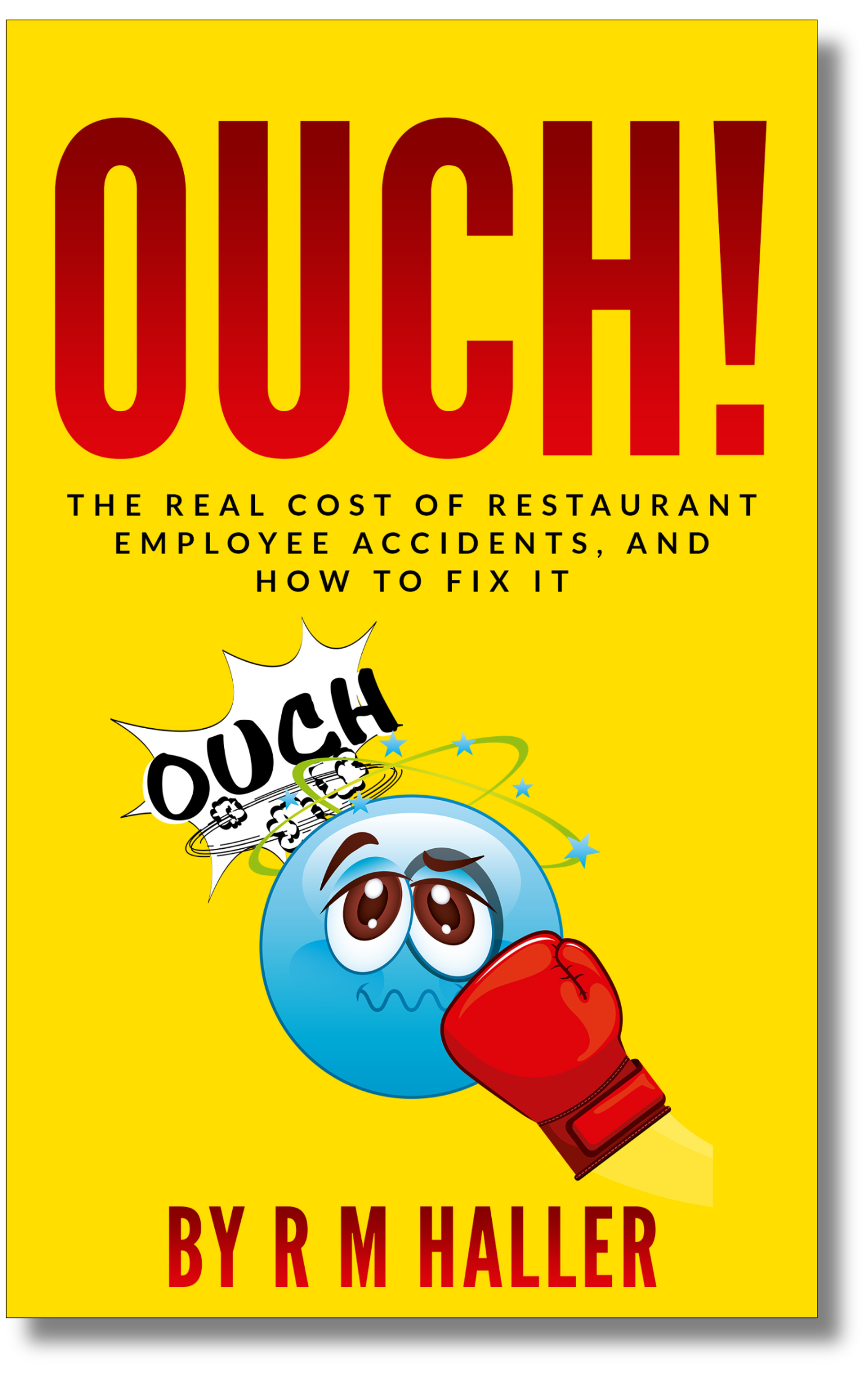
The Real Cost of Restaurant Employee Accidents—and How to Fix It
Learn why accidents happen, what they really cost, and how to reduce them.