Ergonomic Injuries Don't Always Happen All at Once
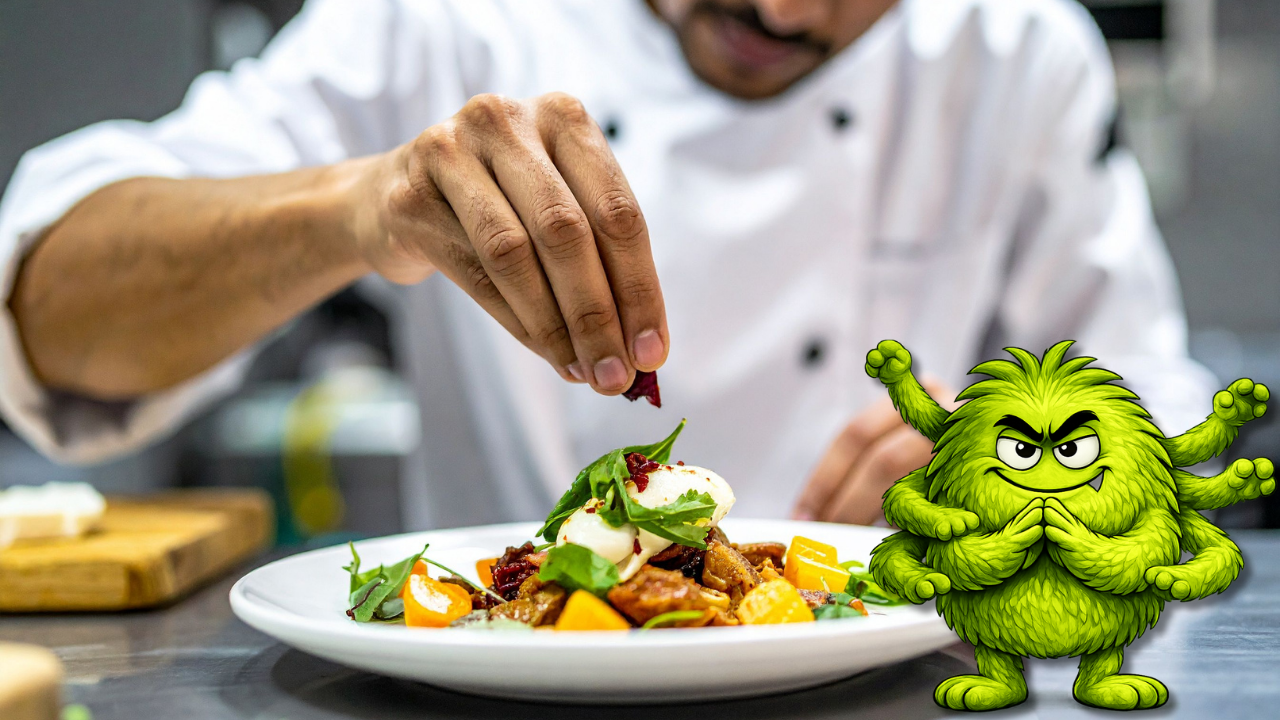
Restaurant Safety Killer™ #4: TMT™
Not every restaurant injury comes with a crash.
Sometimes there's no broken glass, no employee on the floor, no trip to urgent care in the middle of the shift and no obvious moment when everyone says, “That's when it happened.”
Sometimes it's a shoulder that's a little sore after work.
Then it's sore again tomorrow.
A back starts bothering someone after unloading deliveries. A wrist hurts after performing the same task shift after shift. An employee keeps reaching awkwardly for something that's stored in a terrible location, but they've been doing it that way for months.
Nothing happened today.
And that's exactly why TMT™ (Too Much Managers' Time™) can get away with ignoring it.
TMT™ Loves Problems That Aren't Emergencies Yet
Restaurant managers are professional triage experts.
You almost have to be.
When six things need your attention at the same time, you deal with whatever is most urgent first. The fryer that stopped working beats the supply shelf that's inconveniently arranged. The employee who called out beats the conversation about lifting technique. The customer standing at the counter beats the employee who mentions that their shoulder has been a little sore.
That's understandable.
The problem is that TMT™ can keep an issue in the “not urgent yet” category until it finally becomes urgent.
Ergonomics gives him plenty of opportunities.
Small Movements Can Be Easy to Ignore
Think about how much physical work happens during one restaurant shift.
An employee reaches to the same high shelf over and over. Someone bends repeatedly to retrieve supplies stored too low. Cases are carried from one area to another. Bus tubs get lifted. Heavy trash bags get moved. Employees push, pull and twist in tight spaces.
Any one of those moments may seem insignificant.
That's why managers can walk past the same awkward setup for months without thinking of it as a safety issue.
Nobody got hurt today.
But “nobody got hurt today” isn't necessarily the same thing as “this is a good way to perform this job.”
Experience Can Actually Help TMT™
New employees often approach physical tasks cautiously because everything is unfamiliar.
Experienced employees can be different.
They've lifted that case a hundred times. They've reached over that counter every shift for two years. They've always carried the bus tub that way.
Familiarity can make an awkward or inefficient movement feel normal.
That makes ongoing training particularly important.
NOT™—No Ongoing Training™ would love for ergonomics to be discussed once during orientation and never mentioned again. TMT™ helps make sure that happens by constantly giving managers something more urgent to do.
Months pass.
The habit stays.
So does the strain.
The First Warning May Be Easy to Miss
An employee saying, “My back's been bothering me lately,” may not trigger the same response as someone falling in the kitchen.
But it's information.
Maybe the employee is lifting something awkwardly. Maybe a workstation could be adjusted. Maybe employees need reinforcement about a task. Maybe something heavy is stored in a location that makes no operational sense.
You won't know unless somebody pays attention.
And paying attention is precisely what TMT™ keeps stealing from managers.
Eventually, “Not Urgent” Can Become Very Urgent
Then one day the employee can't finish the shift.
Now the problem that never seemed urgent has become one.
The restaurant may need another employee immediately. The manager may need to rearrange the schedule. There may be medical care, workers' compensation questions, documentation, follow-up, work restrictions or an investigation into what happened.
What looked like a problem that didn't deserve five minutes suddenly demands hours.
Or days.
And meanwhile, the restaurant keeps operating.
Or tries to.
That's the recurring trick behind TMT™: he makes prevention look expensive because it takes time now while hiding how much time the aftermath may take later.
Don't Wait for Ergonomics to Become an Emergency
Restaurant safety training works best when it isn't reserved for the aftermath of an accident.
Employees need reminders while they're still working.
Managers need opportunities to notice the habits that have become so familiar nobody sees them anymore.
And safety topics need to come back around even when nothing terrible happened last week.
That's one reason REST uses an ongoing training system rather than treating employee safety as a one-and-done orientation topic.
REST Doesn't Ask Managers to Find Hours They Don't Have
The REST Compliance Protection System™ takes approximately five minutes of manager time each week to keep ongoing restaurant employee safety training on track.
Employees complete short training and a 10-question quiz—generally around 15 minutes—when it works with restaurant operations.
Managers aren't expected to become ergonomics instructors or create a safety program from scratch. The system keeps the topics moving and helps managers keep track of what's been completed.
That's important because TMT™ doesn't disappear.
Tomorrow's restaurant will still be busy.
The trick isn't waiting for managers to have more time.
It's making sure safety training doesn't need very much of it.
“Nothing Happened Today” Is Good—But It's Not the Finish Line
If everybody goes home without an injury tonight, that's a good day.
But prevention also means paying attention to what employees do over hundreds of days.
The awkward reach.
The heavy lift.
The repetitive movement.
The workstation that could work better.
The employee who's started rubbing their shoulder at the end of every shift.
Those aren't always dramatic enough to fight their way to the top of a busy manager's priority list.
That's why TMT™ likes them.
Don't wait until a small problem turns into an emergency before deciding it's worth your time.
A few minutes of attention today may be exactly what keeps the restaurant from losing hours—or days—tomorrow.
Get instant access to the REST Compliance Protection System™
Trusted by restaurant owners and franchise operators to document safety training and reduce compliance risk.
No contracts • Cancel anytime • Setup in minutes • No IT required.
Have Questions About REST? Let’s Talk Safety.
Whether you’re training 5 employees or 500, we’re here to help you protect your team, document compliance, and save on long-term costs. Fill out the form and we’ll be in touch ASAP.
By submitting this form, you agree to receive safety-related emails from Restaurant Employee Safety Training.
We respect your time and will only contact you with helpful information—no spam, ever.